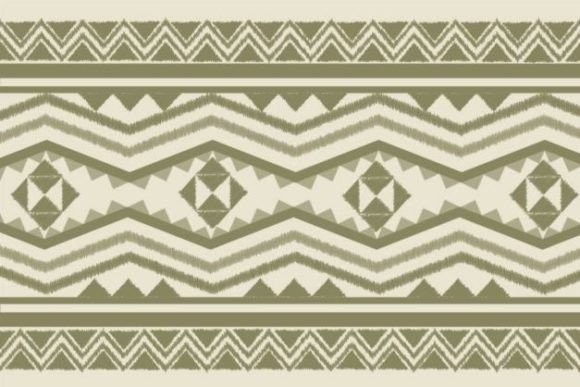
Ethnic Tribal Embroidery African Pattern Review
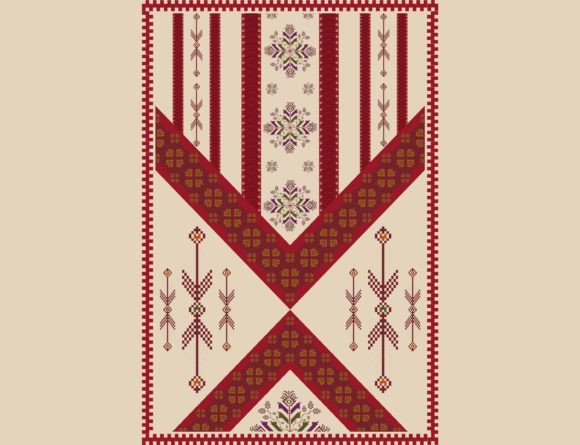
As an embroidery designer who spends hours refining stitch paths and selecting thread palettes, I am always on the lookout for design assets that offer both visual impact and practical versatility. Recently, I came across the Ethnic Tribal Embroidery African Pattern on Creative Fabrica. The product description highlights it as a "Repeat pattern mood color" featuring a "Zigzag strip Tribal Abstract seamless repeat pattern." It is categorized under Patterns and Graphics, with a style described as contemporary, abstract, watercolor, and doodle-inspired.
I decided to put this asset through its paces—not just by looking at the digital preview, but by imagining how it would translate into real-world handmade products. Whether you are an Etsy seller, a boutique owner, or a crafter looking to elevate your personal projects, understanding how a graphic translates into a physical embroidered piece is crucial. Here is my honest evaluation of whether this design is worth adding to your creative workflow.
First Impressions: Visual Mood and Design Personality
The moment you view the Ethnic Tribal Embroidery African Pattern, the first thing that strikes you is its dynamic energy. The description mentions "Abstract triangle" shapes and a "water color, doodle design," which suggests a blend of structured geometry and organic flow. In the world of machine embroidery, balancing these two elements can be tricky. Too much structure can feel rigid; too much abstraction can look messy when stitched.
This design seems to walk that line well. The "zigzag strip" element implies movement, which is excellent for garments where you want the eye to travel across the fabric. The "contemporary design" aspect means it feels modern rather than strictly traditional, making it highly relevant for current fashion trends. For a designer, this is a huge plus. It allows you to create pieces that honor ethnic aesthetics without feeling dated. The "mood color" aspect mentioned in the title suggests that the file likely includes a curated palette, which saves time on color selection—a small but significant benefit when you are rushing to meet a deadline.
Real-World Application: Where This Pattern Shines
So, where does this machine embroidery design fit best? Based on its seamless repeat nature and abstract tribal motifs, it is incredibly versatile. It is not limited to a single niche. Here is how I see it performing in various commercial and personal contexts:
- Custom Apparel: The "zigzag strip" layout works beautifully as a sleeve stripe or a vertical panel on a sweatshirt. Because it is a repeat pattern, you can scale it to fit different garment sizes easily. It adds a bold statement to basic tees or hoodies.
- Tote Bags and Canvas Goods: Tote bags are a staple for craft fairs and online shops. An embroidered patch or a direct-to-garment style embroidery of this pattern on a canvas tote instantly elevates the item from a simple accessory to a fashion statement. The abstract triangles provide enough detail to hold interest even on larger surface areas.
- Baby Items and Nursery Decor: While tribal patterns can sometimes feel heavy, the "doodle" and "water color" aspects soften the look. This makes it suitable for nursery wall hangings or decorative pillows. However, caution is advised with baby blankets; ensure the design is not too dense if it will be in direct contact with sensitive skin.
- Kitchen Towels and Aprons: For the home decor market, this pattern brings warmth and character. A kitchen towel featuring a section of this tribal motif can serve as a unique personalized gift. The geometric nature of the design photographs exceptionally well, which is key for social media marketing.
- Caps and Headwear: Curved surfaces like caps present a challenge for large patterns. However, using a cropped version of this repeat pattern for the front panel or side panels can create a striking look. The "abstract triangle" elements can be aligned to follow the curve of the cap brim.
Practical Considerations for Embroidery Execution
Having reviewed the visual potential, we must address the technical reality. Not all graphics translate seamlessly into stitches. When considering the Ethnic Tribal Embroidery African Pattern for production, keep these practical notes in mind:
Stitch Density and Detail Level
The description mentions "water color" and "doodle" styles. These often rely on soft edges and gradients. In machine embroidery, soft edges are typically achieved through varying stitch lengths or density changes. If the underlying graphic is too complex, the resulting embroidery file might become overly dense, leading to stiff fabric or needle breakage. Always check the stitch density before committing to a large run. If the design includes tiny lettering or very fine lines within the tribal motifs, test it on scrap fabric first to ensure the details do not merge together.
Fabric Compatibility
This pattern’s vibrant and bold nature pairs best with medium-weight fabrics. It performs exceptionally well on denim, cotton blends, and sturdy canvas. However, be cautious with stretchy knits unless you use a proper stabilizer. The "zigzag" elements may distort if the fabric stretches during stitching. For dark fabrics, ensure you have high-contrast thread colors available. The "mood color" palette should be checked against your specific fabric swatches to guarantee readability.
Hoop Size Constraints
Since this is a "seamless repeat pattern," you have the flexibility to use smaller hoop sizes and stitch sections repeatedly. This is cost-effective and reduces hooping errors. However, if you intend to use the full width of the pattern on a large sweatshirt, ensure your machine’s maximum hoop size accommodates the desired output. If the design exceeds your hoop limit, you will need to split the design, which requires careful alignment to avoid visible seams.
Impact on Product Value and Brand Trust
Using high-quality design assets like the Ethnic Tribal Embroidery African Pattern directly influences your brand perception. Customers can often tell the difference between a generic, low-resolution print and a thoughtfully designed embroidered piece. A well-executed tribal pattern conveys professionalism and attention to detail.
For Etsy sellers and small business owners, this type of design helps build a cohesive brand identity. By consistently using patterns that share similar visual moods—such as the contemporary, abstract vibe of this African pattern—you create a recognizable aesthetic. This consistency builds buyer trust. Furthermore, because the design is described as "contemporary," it appeals to a broader demographic, increasing your potential customer base.
Product photography also benefits from this design. The geometric shapes and zigzag strips create natural lines that guide the viewer’s eye. When photographing your finished products, such as a tote bag or apron, the pattern provides interesting texture and depth, making your listings more engaging and likely to convert views into sales.
Final Verdict and Next Steps
The Ethnic Tribal Embroidery African Pattern appears to be a strong contender for designers seeking to add cultural flair and modern edge to their collections. Its blend of abstract geometry and doodle-like softness offers versatility across multiple product categories, from apparel to home decor.
Before downloading and using this asset, I recommend the following steps:
- Review File Details: Check the Creative Fabrica product page for specific file formats (e.g., PES, DST, EXP) and confirm compatibility with your embroidery machine.
- Check Licensing: Verify the commercial use terms. Ensure you are allowed to sell finished items made with this design, especially if you plan to list them on platforms like Etsy or Amazon Handmade.
- Test Stitch Out: Always embroider a sample on the actual fabric you intend to use. Inspect the "water color" effects to see if they require special thread techniques or if standard fill stitches suffice.
- Evaluate Contrast: Hold your thread choices up against the fabric mockup. The success of this pattern relies heavily on the contrast between the threads and the background material.
If you are looking for a digital embroidery file that balances artistic expression with commercial viability, this pattern deserves a spot in your library. It offers the kind of visual appeal that resonates with today’s consumers while remaining practical enough for efficient production. Just remember to respect the technical limitations of your equipment and always prioritize quality control in your final handmade product.