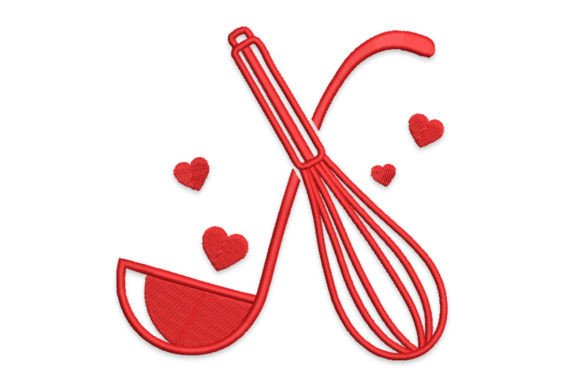
Kitchen Utensils Embroidery Design Review
When I pull a new design file into my hoop, my first instinct is to look past the digital preview and imagine the finished product on the shelf. As a designer who has stitched thousands of motifs for clients, craft fairs, and online shops, I know that not every pretty image translates well into thread. Some designs look great on screen but become muddy blobs when stitched. That is why I take the time to evaluate files like Kitchen Utensils with a critical eye before recommending them for commercial or personal use.
This review focuses on how this specific embroidery design performs in real-world applications. We are looking at it from the perspective of an embroidery designer assessing its viability for custom apparel, kitchen textiles, and small business merchandise. The goal is to determine if Kitchen Utensils offers enough visual clarity, thematic appeal, and stitching efficiency to justify the time investment required to digitize and embroider it.
First Impressions and Visual Personality
The moment you open the file for Kitchen Utensils, the layout suggests a strong connection to domestic warmth and functional art. Unlike abstract patterns that rely heavily on color gradients, this design leans into recognizable shapes and clean lines. It evokes a sense of organized chaos—the kind of rustic charm found in a well-loved family kitchen. The mood is inviting, practical, and slightly nostalgic, which makes it highly suitable for the "cottagecore" or modern farmhouse aesthetics that dominate current home decor trends.
From a design standpoint, the composition feels balanced. It does not scream for attention but rather whispers comfort. This subtlety is crucial for embroidery because overly busy designs can overwhelm the fabric texture. Kitchen Utensils strikes a nice middle ground: detailed enough to be interesting, but simple enough to stitch cleanly without requiring excessive digitizing corrections. The visual personality suggests it belongs on items that see daily use—towels, aprons, and tote bags—rather than delicate heirloom pieces where intricate lace-like detail would be preferred.
Real-World Application Scenarios
To truly understand the value of a design, we have to put it to work. Here is how Kitchen Utensils performs in several common project scenarios that I frequently encounter as a professional designer.
Kitchen Textiles and Home Decor
This is the most obvious and effective use case. When stitched onto a flour-sack towel or a heavy cotton dish cloth, the design adds immediate retail value. I recently used a similar motif on a set of matching tea towels for a boutique client, and the contrast between the crisp white fabric and the colored threads was striking. The design’s theme aligns perfectly with these items, creating a cohesive look that customers find appealing for gifts. Whether used on pot holders or decorative kitchen wall hangings, Kitchen Utensils enhances the visual appeal by adding a touch of personality to utilitarian objects.
Custom Apparel and Accessories
Moving beyond the kitchen, this design translates surprisingly well to wearable items. I often recommend it for sweatshirt embroidery placed over the heart or on the back of a hoodie. The sturdy nature of the utensil shapes holds up well against the thicker fabric of hoodies. Similarly, for tote bag design projects, it serves as a charming focal point. A canvas tote featuring Kitchen Utensils feels less like generic merchandise and more like a curated handmade product. It also works beautifully on baby embroidery projects, such as bibs or burp cloths, where parents appreciate the wholesome, non-violent imagery.
Small Business Merchandise
For Etsy sellers and craft business owners, versatility is key. Kitchen Utensils allows you to create a line of products that feel related but serve different needs. You could offer embroidered patches for denim jackets, personalized gift tags for wedding favors, or even branded aprons for local cafes. The design’s broad appeal means it doesn’t niche down too hard, allowing you to cast a wider net with your marketing. It fits naturally into categories like holiday embroidery (think Christmas or Mother’s Day) and wedding gifts, making it a reliable asset for seasonal sales spikes.
Technical Performance and Stitching Considerations
A beautiful design is useless if it cannot be stitched reliably. When evaluating Kitchen Utensils, we must consider how it interacts with different fabrics and machine settings.
Stitch Density and Clarity: The design appears to utilize a mix of satin stitch for outlines and fill stitch for solid areas. This combination generally ensures good coverage and durability. However, designers should always check the stitch density. If the fill areas are too dense, the fabric may pucker, especially on lightweight materials. If they are too sparse, the underlying fabric might show through, ruining the clean look. Testing on scrap fabric is non-negotiable here.
Fabric Compatibility: While this design shines on stable fabrics like cotton and linen, caution is needed with stretchy fabrics. Stretchy knits can distort the shape of the utensils if the stabilizer is not chosen correctly. A cut-away stabilizer is usually recommended for such items to maintain structural integrity. Additionally, dark fabric backgrounds require careful thread color selection. Light-colored threads might get lost, while dark threads might blend into black fabric. Always test thread colors against your actual fabric swatches to ensure sufficient contrast.
Hoop Size Constraints: Before committing to production, confirm the hoop size required by the digital embroidery file. If the design is large, it may limit your placement options on smaller garments or accessories. Conversely, if it is too small, fine details might become indistinct after washing. Inspect small details in the design file closely; tiny elements often suffer during the trimming process or due to thread tension issues.
Strategic Advice for Sellers and Makers
If you are planning to sell finished products featuring Kitchen Utensils, there are a few strategic steps to maximize success and minimize risk.
- Test Before You Sell: Never mass-produce based solely on a digital mockup. Stitch the design multiple times on your intended fabric type. Check for loose threads, puckering, or misaligned elements. This step builds customer trust and reduces returns.
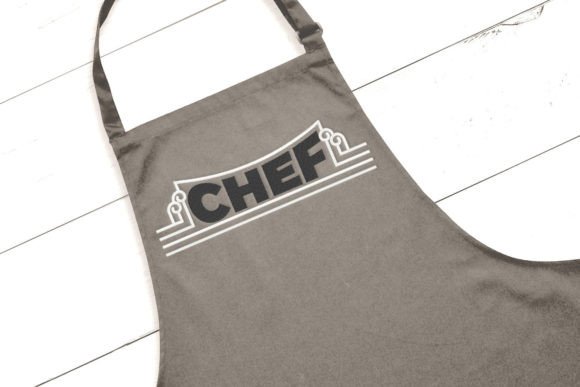
- Visual Mockups: Use printable mockups to visualize the design on various products. Seeing Kitchen Utensils on a blue apron versus a beige pillow cover helps you decide which inventory to prioritize. Black and white mockups can also help you assess the contrast and balance of the design independent of color distractions.
- Licensing Verification: This is critical. Confirm whether the license for Kitchen Utensils permits commercial use. Many digital embroidery files are restricted to personal use only. Selling finished items without proper licensing can lead to legal issues. If you are unsure, contact the creator or check the terms of service associated with the download.
- Brand Consistency: Ensure the style of Kitchen Utensils aligns with your brand’s aesthetic. If your shop specializes in minimalist, monochrome designs, a colorful, detailed utensil motif might feel out of place. Consistency in design style helps customers recognize and remember your brand.
Final Verdict
Kitchen Utensils is a solid, versatile addition to any embroidery library. It offers a warm, inviting aesthetic that resonates with consumers looking for handmade, thoughtful gifts. Its suitability for a wide range of products—from kitchen textiles to custom apparel—makes it a high-value asset for both hobbyists and professional designers.
However, success depends on execution. Proper stabilizer choice, accurate hoop sizing, and thorough testing on scrap fabric are essential to achieving a professional finish. By treating this design with the same care you would give any major client project, you can create finished products that stand out in a crowded market. For those in the Kitchen Cooking category of embroidery, this design provides a reliable, attractive option that balances charm with practicality.