Split Baseball Embroidery Design Review
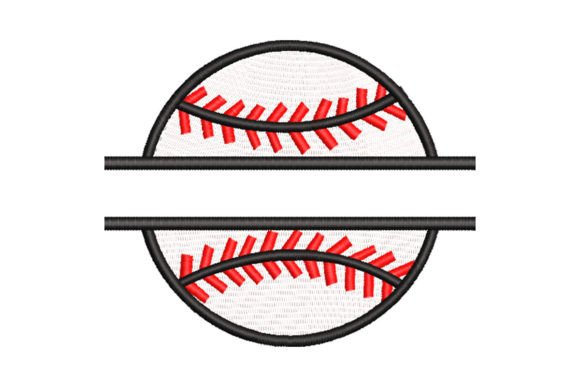
As an embroidery designer who has spent years turning digital files into tangible brand assets, I approach every new design with a mix of creative excitement and practical skepticism. When evaluating a file for small business merchandise, branded patches, or uniform accents, the question is never just "does it look good?" but rather "will this hold up in production, enhance our brand identity, and resonate with customers?" Today, I am reviewing the Split Baseball machine embroidery design. Based on its description as a visually engaging motif that combines baseball elements with a creative split or layered effect, this piece offers unique opportunities for brands looking to blend sports heritage with modern aesthetics.
First Impressions: Visual Personality and Brand Fit
The moment you import the Split Baseball embroidery file into your digitizing software, the dynamic nature of the design becomes apparent. The term "split" suggests a deconstructed or layered approach, which immediately moves the design away from traditional, static sports logos. Instead, it feels modern, bold, and slightly playful. For a small business owner, this visual personality is crucial. It signals that the brand is contemporary and willing to take creative risks, yet it retains the recognizable silhouette of a baseball, grounding it in familiarity.
This design does not feel overly rustic or strictly corporate. It strikes a balance that works exceptionally well for handmade products, boutique merch, and creative studios. Whether you are running a local café, a pet brand, or a custom apparel shop, the Split Baseball motif provides a decorative element that is sophisticated enough for premium branding but accessible enough for everyday wear. The layered effect adds depth, making it an excellent candidate for high-quality embroidered patches where texture and dimensionality drive perceived value.
Real-World Business Applications
In my experience, the versatility of a design determines its commercial viability. The Split Baseball design shines in several key areas of small business merchandising:
- Branded Patches: This is perhaps the strongest use case. The split aesthetic allows for clean edges and distinct color blocking, which translates beautifully to iron-on or sew-on patches. These can be used to personalize denim jackets, canvas tote bags, or leather goods sold by Etsy sellers and crafters.
- Caps and Headwear: A cap design often requires a compact, impactful logo. The Split Baseball motif works well on the front panel of structured caps. Its dynamic shape draws the eye without overwhelming the limited surface area, making it ideal for promotional events or staff uniforms.
- Apron Embroidery: For bakeries, florists, or café owners, aprons are both functional tools and walking billboards. Placing this design on the chest pocket or lower hem adds a touch of professional flair. The layered effect holds up well against the frequent washing these garments endure, provided proper stitching techniques are used.
- Tote Bag Designs: Canvas totes are a staple for handmade brands. The Split Baseball design serves as a striking focal point on a plain tote, elevating it from a simple utility item to a fashion accessory. It pairs well with minimalist typography for a cohesive brand look.
- Staff Uniforms and Work Shirts: If your team wears polo shirts or work shirts, this design offers a subtle yet distinctive accent. It can be placed on the sleeve or back yoke to break up solid colors, adding visual interest without appearing too loud.
Strategic Considerations and Limitations
While the Split Baseball design is visually compelling, no embroidery file is perfect for every application. As a designer, I must advise caution in specific scenarios to ensure a professional finished product.
First, consider the scale. If you plan to use this as a tiny patch or a small detail on a wrist cuff, the "split" or layered effect may become muddy. Fine details can get lost if the stitch density is too high for the available space. Always test the design at its intended final size before committing to bulk production. Similarly, curved surfaces like the front of a fitted cap can distort the geometric precision of a split design. Ensure your digitizer has accounted for curvature, or choose a flatter garment area for placement.
Fabric texture also plays a significant role. On highly textured fabrics like heavy wool or loose-weave linen, the crisp lines of the Split Baseball motif might blur. Smooth cotton, polyester blends, and canvas provide the best backdrop for maintaining the design’s sharp, modern edge. Additionally, if your brand uses dark uniforms, pay close attention to thread color contrast. Light threads on dark backgrounds require careful underlay stitching to prevent the fabric from showing through, which can compromise the integrity of the split layers.
Impact on Brand Identity and Customer Trust
Embroidery is tactile. Unlike printed graphics, stitched designs convey quality, durability, and care. Using the Split Baseball design in your commercial embroidery projects signals to customers that you invest in premium materials and craftsmanship. This directly influences buyer engagement and trust. When a customer sees a well-executed embroidered patch on a tote bag or a neatly stitched logo on an apron, they perceive higher product value.
Furthermore, visual consistency is key to building a recognizable brand identity. The Split Baseball motif, with its modern and dynamic feel, helps establish a brand voice that is energetic and creative. By integrating this design across various assets—from digital mockups to physical merchandise—you create a cohesive narrative. Customers begin to associate the unique split aesthetic with your business, fostering loyalty and recognition. In a crowded marketplace, this distinct visual language can set your handmade products apart from mass-produced alternatives.
Practical Designer Notes for Production
Before you upload the Split Baseball digital embroidery file to your production hooper, follow these essential steps to avoid costly mistakes:
- Test in Black and White: Convert the design to monochrome first. This helps you evaluate the spacing and balance of the split elements without being distracted by thread colors. If the design looks cluttered in black and white, it will likely look cluttered in color.
- Check Stitch Density: Review the stitch density settings. High density can cause puckering, especially on lightweight fabrics. Ensure the design is optimized for the fabric type you intend to use.
- Verify Hoop Size: Confirm that the design fits within your standard hoop sizes. If the design is large, you may need to reposition it or use a larger hoop, which can affect how the garment sits during stitching.
- Use Proper Stabilizer: Choose the right stabilizer (cut-away for stretchy fabrics, tear-away for wovens) to support the design. This is critical for maintaining the integrity of the split layers.
- Create a Printable Mockup: Before sewing, generate a printable mockup or a digital preview. Compare it beside other design assets to ensure it aligns with your overall brand palette and style.
- Confirm Commercial Licensing: Always check the license terms of the embroidery file. Ensure you have the right to use the Split Baseball design for commercial merchandise sales, whether on Etsy, your own website, or wholesale accounts.
By keeping these practical considerations in mind, you can leverage the Split Baseball design to create high-quality, brand-enhancing merchandise. It is more than just a sports motif; it is a strategic tool for communicating professionalism, creativity, and value to your customers. With careful execution, this design can become a signature element of your small business’s visual identity.