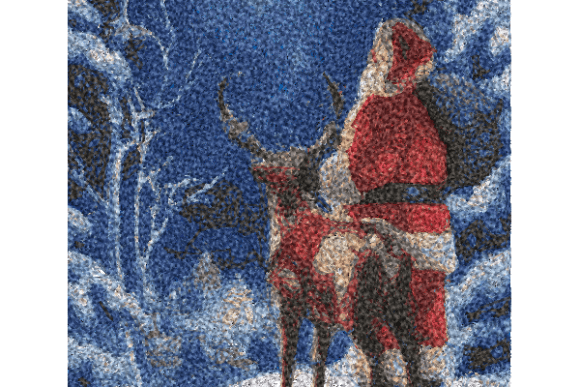
Santa Claus Reindeer Embroidery: A Designer’s Review for Craft Fairs
As an embroidery designer who spends weekends hunched over a hoop and weekdays analyzing market trends, I have learned that the difference between a design that sits on a shelf and one that flies off it often comes down to one thing: visual clarity at a glance. When I received the Santa Claus Reindeer Embroidery file for review, my first instinct was not just to admire the art, but to evaluate its commercial viability. Would this hold up under the bright lights of a busy craft fair? Would it translate well from a digital screen to a physical tote bag or apron? After running several test runs and imagining how it would look in a curated handmade booth, here is my honest assessment of this Christmas-themed design.
First Impressions: Stylized Charm Meets Market Appeal
The title alone suggests a classic holiday pairing, but the description notes that this is a stylized or decorative representation. This is crucial information for any Etsy seller or boutique maker. In the world of commercial embroidery, overly intricate, photorealistic designs can sometimes feel cluttered or lose detail when stitched onto textured fabrics. A stylized approach, however, tends to be more forgiving and aesthetically pleasing in a retail environment.
My initial reaction is that this design likely leans toward the cute, festive, and perhaps slightly rustic or modern-decorative side. It feels like it has the potential to be a standout piece without being overwhelming. For a craft fair product, you want something that screams "holiday spirit" without requiring the customer to squint to understand what they are looking at. If the lines are clean and the shapes are distinct, this Santa Claus Reindeer Embroidery design will perform exceptionally well as a focal point on various items.
Product Versatility: Where This Design Shines
One of the biggest questions I ask before committing to a new embroidery file is: "How many products can I make with this?" The beauty of a versatile design like this is its adaptability. Here is how I see it performing across different handmade product categories:
- Tote Bags and Market Bags: This is arguably the best use case. A large, bold placement on the front of a canvas tote makes for an instant impulse buy. The contrast of the thread colors against natural cotton or denim will pop, making it a perfect tote bag design for shoppers looking for reusable holiday bags.
- Aprons and Tea Towels: Kitchen textiles are huge sellers during the Christmas season. If the design allows for a centered chest placement on an apron or a wide horizontal layout on a tea towel, it becomes a functional gift. The tea towel embroidery market is competitive, so having a unique, stylized character set can help your small shop product stand out.
- Embroidered Patches and Caps: If the design has a defined border or works well within a circular frame, it translates beautifully into an embroidered patch. These are lower-cost entry points for customers and can be easily attached to beanies, jackets, or baseball caps.
- Pillow Covers and Small Pouches: For higher-ticket items, placing this design on a velvet or felt pillow cover adds texture and depth. Similarly, small zippered pouches made from flannel or fleece can feature a smaller version of the motif, appealing to buyers looking for gift boxes or jewelry organizers.
Production Practicality and Quality Control
While the artistic merit is high, the production reality is where many designers stumble. Before adding this to your inventory, you must consider the technical aspects of the machine embroidery design.
Stitch Density and Detail
Check the stitch density carefully. If the reindeer’s antlers or Santa’s beard rely on tiny, isolated stitches, they may break or pucker, especially on stretchy fabrics. Designs with large areas of solid fill can become stiff and heavy. Ensure that the design assets allow for adequate spacing between elements so that the stitching does not bleed into itself. If the file includes tiny lettering (such as a "Ho Ho Ho" tagline), test it at the exact size you plan to produce. Tiny text often loses legibility if the hoop size is too small or the fabric is too thick.
Fabric and Stabilizer Choices
The success of this Santa Claus Reindeer Embroidery project depends heavily on your material choices. For tea towels and apron embroidery, always use a cut-away stabilizer to prevent distortion. On textured fabrics like waffle-weave towels, the embroidery might sink in; consider using a heavier weight thread or a top-stitch needle to ensure the design stands out. Conversely, on smooth cottons, standard polyester threads will give a vibrant, premium finish.
Color Contrast
This is non-negotiable. Red thread on a red shirt is invisible. White thread on white fabric is invisible. When planning your booth display, ensure you have a variety of fabric colors to showcase the thread colors effectively. Dark fabrics like navy or forest green can make white and silver accents shine, while light fabrics allow reds and greens to vibrate with energy.
Marketing and Visual Appeal
From a marketing perspective, this design offers strong visual appeal. Holiday shoppers are emotional buyers; they are looking for warmth, nostalgia, and joy. A stylized Santa and Reindeer evokes those feelings instantly. When creating printable mockups for your online store, focus on lifestyle shots. Show the apron being used in a cozy kitchen, or the tote bag filled with wrapped gifts. This helps the customer visualize the finished product in their own home.
Furthermore, the versatility of this design supports brand consistency. You can use the same motif across multiple product lines—matching aprons and towels create a cohesive "gift set" that encourages higher average order values. For digital sellers, these matching sets are also excellent bundle opportunities.
Final Verdict and Next Steps
The Santa Claus Reindeer Embroidery design appears to be a strong contender for the upcoming holiday season. Its stylized nature suggests it will age well and fit into various aesthetic trends, from farmhouse chic to modern minimalism. However, success lies in the execution.
Before you commit to mass production, follow these essential steps:
- Test on Scrap Fabric: Never assume a design will work perfectly until you stitch it on the actual fabric you intend to sell.
- Confirm Hoop Size: Ensure the design fits within your machine’s maximum hoop size and that you have enough room for proper stabilization.
- Review Commercial Licensing: Double-check the terms of use. Even if the design looks generic, verify that you have the right to sell finished goods created with this digital embroidery file.
- Create Real Mockups: Photograph your test samples. Lighting can change the perception of color and texture significantly.
If you treat this design with the care and attention to detail that professional embroidery demands, it has the potential to become a bestseller in your booth or online shop. It captures the essence of the season while offering the practical utility that today’s consumers love. Happy stitching!