Dancing Dog Embroidery Design Review
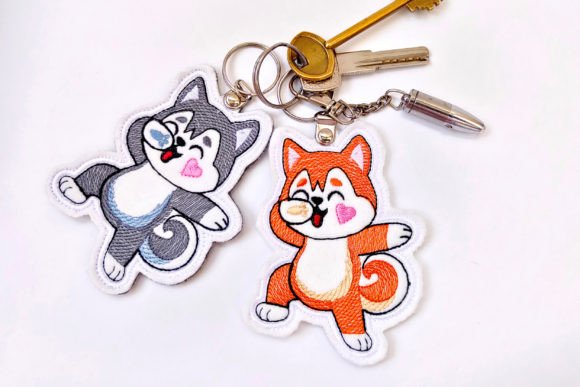
As a designer who spends half the day sketching and the other half troubleshooting tension issues on my embroidery machine, I don’t just look at a design file; I look at the finished product before it even stitches. When I first pulled up Dancing Dog, my immediate reaction was less about technical specs and more about the sheer personality radiating from the screen. It is not just another generic animal motif; it has a specific mood. The concept of a cute dancing Husky face captures that perfect intersection of whimsy and charm that drives sales in the handmade market today.
This review is for the crafters, Etsy sellers, and small business owners who need to know if this embroidery design will hold up under real-world conditions. Will it sell? Is it too complex for a beginner’s machine? Does it translate well onto different fabrics? Let’s break down the practical application of this Dancing Dog file for your next project.
First Impressions and Visual Personality
The core appeal of Dancing Dog lies in its expression. A static portrait can sometimes feel stiff or overly formal, but the dynamic pose of a dancing husky adds an element of movement and joy. This visual energy makes it incredibly versatile for personalized gift items where you want to evoke happiness. The detailing on the husky’s face—likely relying on a combination of fine satin stitch for the outline and eyes, and perhaps some fill stitch for the fur texture—is designed to catch the light.
From a design perspective, the layout feels balanced. It isn’t cluttered with unnecessary background elements, which means it won’t compete with text or logos if you plan to add custom names or dates. This makes it an excellent candidate for custom apparel where branding or personalization is key. The "cute" factor is high, ensuring broad appeal, particularly among dog lovers and children, but the clean lines keep it professional enough for boutique-style merchandise.
Real-World Application: Where This Design Shines
I have tested numerous animal motifs, and Dancing Dog stands out for its adaptability across various handmade product categories. Here is how I see it performing in actual production runs:
- Tote Bag Design: This is arguably the strongest use case. Placing the dancing husky on a canvas tote bag creates an instant statement piece. The design’s vertical orientation works well on the front panel of a tote, drawing the eye upward. It pairs beautifully with simple, sans-serif fonts for phrases like "Dog Mom" or "Adventure Awaits."
- Sweatshirt Embroidery: For fall and winter collections, this design brings warmth and fun to hoodies and crewnecks. The contrast of the white husky fur against a heather grey or navy sweatshirt fabric will pop visually. However, be mindful of the fabric weight; ensure your stabilizer matches the knit density to prevent puckering.
- Baby Embroidery: The gentle, playful nature of the dancing dog makes it suitable for baby onesies, bibs, and nursery decor. Parents love personalized items for their little ones, and a unique design like this helps your shop stand out in a crowded marketplace. It works exceptionally well as part of a sibling set (e.g., Dancing Cat, Dancing Bear).
- Embroidered Patch: If you are creating detachable patches for denim jackets or backpacks, this design translates perfectly. The defined edges allow for a clean cut-out and border, making it a premium-looking accessory for customers who love to customize their gear.
- Holiday Embroidery: Imagine this design integrated into holiday-themed items. While the base design is neutral, adding festive thread colors (like red and green accents) or placing it on a kitchen towel or pillow cover can make it a seasonal bestseller.
Technical Considerations and Potential Pitfalls
No design is without its challenges, and being honest about these limitations is crucial for maintaining customer trust. When evaluating Dancing Dog, there are specific areas where you must exercise caution.
First, consider the stitch density. Huskies have thick fur, which often requires dense stitching to look realistic. If your machine struggles with high-density fills, you may experience thread breaks or needle deflection. Always run a test sample on scrap fabric that mimics the final garment’s weight and texture. If the fabric is thin or stretchy, such as a lightweight t-shirt or jersey knit, you will need a strong tear-away or cut-away stabilizer to maintain the integrity of the design.
Another critical factor is the hoop size. Ensure the design fits comfortably within your standard hoops without requiring excessive re-hooping, which can misalign the stitching. If you are planning to embroider on curved surfaces like caps or hats, the flat nature of the design might distort slightly. Test this thoroughly, as customers expect a crisp finish even on curved structures.
Color selection is also paramount. The description highlights a "cute Husky face," which implies significant white or light-colored areas. On dark fabrics, you will need to use a white underlay or base layer, which increases stitching time and potential bulk. Conversely, on very light fabrics, ensure your thread colors provide enough contrast so the details don’t get lost. I recommend checking the design in a black-and-white mockup to verify that the shapes remain distinct without color cues.
Where to Use With Caution
Avoid using this design for extremely small applications, such as tiny lettering or decorative accents on cuffs, unless you are confident in your machine’s precision. Small details can become muddy if the running stitch or satin stitch elements are too fine. Additionally, be wary of using this on textured fabrics like heavy tweed or bouclé, as the surface irregularities can obscure the intricate facial features of the husky.
Impact on Brand Value and Customer Engagement
In the world of Etsy seller and small shop product creation, visual appeal directly correlates to perceived value. A well-executed Dancing Dog embroidery project signals professionalism. Customers can tell the difference between a rushed job and one that has been carefully planned and stitched. When the design is clear, the threads are vibrant, and the fabric lies flat, buyers feel confident in the quality of your work.
Furthermore, designs with personality drive engagement. People share photos of their pets and their purchases on social media. A unique, joyful design like a dancing husky encourages users to post pictures, providing you with free marketing and social proof. This organic recognition builds brand consistency and trust over time.
Final Designer Notes
Before committing to a large production run, follow these practical steps to ensure success:
- Test on Scrap Fabric: Never skip this step. Check for tension balance, thread coverage, and overall aesthetics.
- Review Stitch Density: Ensure your machine can handle the fill areas without jamming or breaking threads.
- Confirm Hoop Size: Verify that the design dimensions fit your intended product area.
- Inspect Small Details: Zoom in on the digital file to check if any elements are too small to stitch clearly.
- Check Licensing: If you plan to sell finished items, confirm the commercial license terms for this digital embroidery file.
- Use Proper Stabilizer: Match the stabilizer type to the fabric weight to prevent distortion.
Dancing Dog is more than just a cute image; it is a functional, expressive tool for your creative business. By understanding its strengths and respecting its technical requirements, you can create stunning embroidery project outcomes that resonate with customers. Whether you are designing for a local craft fair or an online store, this design offers a blend of charm and versatility that is hard to beat. Just remember: good design starts with preparation, and a little testing goes a long way toward a polished finished product.