Elijah Embroidery Design Review
As an embroidery designer who spends hours testing stitches and planning product lines for small businesses, I know that a single design can make or break a shop’s reputation. When I first pulled up the Elijah Embroidery Design, my initial reaction was one of curiosity mixed with professional caution. The description promises a captivating digital experience that embraces the Halloween spirit while featuring the name “Elijah” with intricate details. But does it translate well to a physical product? Can it hold up on a customer’s cherished baby blanket or a high-end wedding keepsake?
In this review, I am putting on my hat as a product planner for a personalized gift shop. I will walk you through how this embroidery file performs in real-world scenarios, who it appeals to, and what practical steps you must take before adding it to your Etsy listings or craft fair inventory.
First Impressions: Mood and Aesthetic Appeal
The core appeal of this design lies in its duality. It combines the playful essence of Halloween with a personalized touch. For many handmade sellers, finding designs that are seasonal yet personal is a challenge. Too spooky, and it alienates buyers looking for subtle decor; too plain, and it misses the holiday trend entirely.
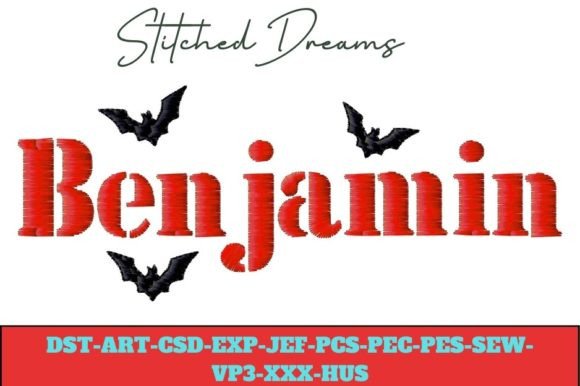
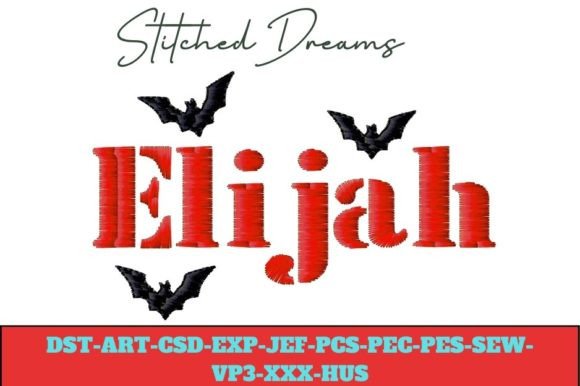
Visually, the Elijah Embroidery Design feels sweet and slightly whimsical. The intricate details suggest a higher level of craftsmanship, which immediately boosts the perceived value of the final item. When I imagine this stitched onto a neutral-toned fabric, the contrast creates a focal point that draws the eye. It strikes a balance between modern typography and classic decorative elements. This makes it versatile enough for various demographics, from young parents looking for nursery items to adults seeking unique home accents.
However, the "intricate details" mentioned in the product description require careful consideration. Intricacy often means smaller stitch clusters or finer lines. While this adds charm, it also demands precision from both the digitizer and the embroiderer. If the details are too fine, they may get lost on certain fabrics or become difficult to stitch cleanly without puckering.
Product Applications and Target Audience
One of the strongest aspects of this design is its adaptability. As a machine embroidery design, it can be applied to a wide range of products. Here is how I see it performing across different categories:
- Baby Embroidery and Nursery Items: Personalized names are huge in the baby market. If the font style allows for softness, this design could work beautifully on a receiving blanket or a muslin burp cloth. Parents love gifts that feel custom-made and sentimental.
- Wedding Gifts and Keepsakes: For couples who appreciate autumn themes or have a Halloween birthday, this could serve as a unique guest book cover accent or a decorative pillow cover. It adds a personal narrative to the event.
- Kitchen and Home Decor: An embroidered towel or apron featuring this design would stand out on a kitchen counter. The seasonal theme fits perfectly with fall gatherings, making it an excellent addition to a small shop product line during Q4.
- Tote Bags and Custom Accessories: Sturdy canvas totes are popular among Etsy sellers. This design offers a pop of personality that turns a basic accessory into a statement piece.
The emotional connection here is key. Buyers are not just purchasing a name; they are buying a memory associated with a specific time of year. By offering this personalized gift, you are tapping into the desire for meaningful, handmade products that tell a story.
Practical Considerations and Fabric Constraints
Before you rush to upload mockups, there are several technical hurdles you must address. Not every surface is suitable for every design, and understanding these limitations protects your brand from negative reviews.
Fabric Texture and Thickness
Textured fabrics pose a significant risk for intricate designs. If you attempt to stitch this on a thick terry cloth towel or a heavily woven burlap, the needle may struggle to penetrate evenly, leading to skipped stitches or distortion. Similarly, stretchy baby clothes require heavy-duty stabilizers to prevent the fabric from distorting under the tension of the hoop. Always test on scrap fabric that matches the texture of your final product.
Color Contrast and Visibility
The success of any embroidery relies heavily on thread colors against the background fabric. Dark fabrics can swallow up light threads, while white threads on black fabric might look harsh if not balanced correctly. I recommend creating a printable mockup or stitching a sample on both light and dark fabrics to ensure the details remain visible. If the intricate parts of the design rely on thin lines, they may disappear on darker backgrounds.
Hoop Size and Stitch Density
You must confirm the hoop size required for this file. If the design is large, it may limit where you can place it on smaller items like baby hats or small towels. Additionally, check the stitch density. High-density areas can cause fabric pucker if not supported properly. Using the right stabilizer—whether cut-away for stability or tear-away for lightweight fabrics—is non-negotiable for a clean finish.
Small Details and Legibility
Pay close attention to the lettering. Names like "Elijah" need to be legible. If the design incorporates decorative elements around the letters, ensure they do not crowd the text. After stitching, inspect the small details closely. Are the curves smooth? Is the spacing consistent? If the details are too delicate, consider simplifying them digitally or advising customers to choose larger product sizes where the design has room to breathe.
Boosting Giftability and Perceived Value
How you present this design directly impacts sales. A well-executed finished product builds customer trust and showcases handmade quality. When photographing your items, focus on the texture of the stitches and the way the light hits the thread. This highlights the effort and skill involved, justifying a higher price point.
For wedding gift designers and baby product creators, packaging matters. Pairing the embroidered item with a handwritten note about the design’s inspiration enhances the emotional connection. Customers want to feel that their purchase is special and thoughtfully curated.
Furthermore, transparency is crucial. Clearly state in your listings whether the design is suitable for frequent washing. If the thread colors are prone to fading or the fabric requires gentle care, provide clear instructions. This honesty prevents returns and builds long-term loyalty.
Essential Pre-Production Checklist
To ensure a smooth workflow, follow these steps before launching your product line:
- Test on Scrap Fabric: Never skip this step. Test the design on the actual fabric you plan to sell.
- Check Thread Color Contrast: Ensure visibility on all color options you offer.
- Confirm Hoop Size: Verify that the design fits your intended product dimensions.
- Review Stitch Density: Adjust stabilizer choices based on the density map.
- Use Proper Stabilizer: Match the stabilizer type to the fabric weight and stretch.
- Compare Light and Dark Mockups: Visualize how the design looks on different backgrounds.
- Check Small Details: Zoom in on the stitched sample to ensure no details are lost.
- Confirm Commercial Licensing: Before selling finished products, verify that you have the appropriate commercial license for the digital embroidery file. Selling without proper rights can lead to legal issues.
The Elijah Embroidery Design holds promise for those willing to put in the preparation work. Its blend of seasonal charm and personalization makes it a compelling option for custom embroidery projects. By respecting its technical requirements and presenting it with care, you can create beautiful, high-value gifts that resonate with customers. Whether you are a seasoned pro or just starting out, this design offers a wonderful opportunity to expand your offerings in the embroidery market.