Applique Acorn Embroidery Design Review
As an embroidery designer who spends hours testing stitches and selecting threads, I approach every new file with a mix of excitement and skepticism. When I first pulled up the Applique Acorn Embroidery Design, I didn’t just see a pattern; I saw potential for a best-selling item in my own digital shop. The description promises a unique addition to home decor, but does it deliver on that promise when stitched out? After running several test samples and imagining this design on various customer products, I have some strong thoughts about its viability for personalized gifts.
First Impressions: Charm and Emotional Appeal
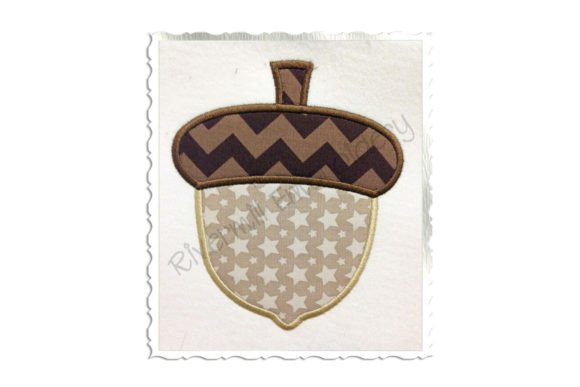
The moment you look at the Applique Acorn Embroidery Design, it radiates warmth. It isn’t just a generic leaf or nut; the applique style gives it a tactile, handmade quality that machine embroidery often struggles to replicate. For a small business owner or Etsy seller, this distinction is crucial. Customers are looking for items that feel crafted with care, not mass-produced by a factory.
The mood of this design is undeniably cozy. It fits perfectly into the "Forest Trees" category, evoking feelings of autumn, woodland walks, and rustic elegance. Whether you are targeting customers looking for baby gifts or those seeking sophisticated kitchen decor, this design hits a sweet spot. It feels classic yet modern enough to appeal to younger buyers who love the cottagecore aesthetic. The detail level is sufficient to catch the eye without being so intricate that it overwhelms smaller garments or accessories.
Product Versatility for Personalized Gifts
One of the strongest selling points of this embroidery file is its adaptability. In my experience, the most successful products are those that can be used across multiple niches. Here is how I envision this design performing in real-world scenarios:
- Baby Embroidery and Nursery Decor: Acorns symbolize growth and strength, making them a subtle, meaningful choice for a nursery. Imagine this design centered on a cream-colored muslin blanket or embroidered on the cuff of a baby’s organic cotton onesie. The soft curves of the applique work beautifully on delicate fabrics, creating a gentle, loving keepsake.
- Kitchen and Home Accents: This design shines on an embroidered towel. A set of kitchen towels featuring this acorn motif would make a fantastic housewarming gift. It also looks stunning on a linen pillow cover, adding a touch of nature-inspired charm to a living room sofa.
- Wedding and Family Keepsakes: For wedding gifts, consider using this design on custom tote bags for bridal party members or as part of a family reunion apron set. The timeless nature of the acorn ensures it won’t look dated in a few years, which increases the perceived longevity of the handmade product.
- Craft Fair and Market Items: If you sell at local markets, this design is perfect for aprons and reusable shopping bags. It appeals to homeowners who appreciate rustic decor and gardeners who love nature-themed accents.
By positioning this as a personalized gift, you tap into the emotional connection buyers seek. People don’t just buy a towel; they buy the feeling of a warm, welcoming home. They don’t just buy a blanket; they buy comfort and care for their little one.
Photography and Presentation Tips
To maximize sales, your product photography should highlight the texture. Since this is an applique design, the layered effect adds depth. Use natural lighting to show how the thread catches the light. Pair your mockups with complementary props like dried leaves, wooden spoons, or soft knitted textures to reinforce the woodland theme. This visual storytelling helps Etsy sellers and small shop owners stand out in a crowded marketplace.
Where to Use Caution: Potential Pitfalls
While this design is versatile, no single file works perfectly on every surface. As a professional, I advise you to be mindful of where you place this machine embroidery design:
- Small Lettering and Delicate Details: If you plan to add names or dates near the acorn, ensure the text is large enough. Fine details can get lost if the fabric stretches or if the stitch density is too high.
- Textured and Thick Fabrics: Avoid placing this on thick terrycloth towels without proper preparation. The needle may struggle to penetrate dense loops, leading to skipped stitches. Similarly, highly textured fabrics like bouclé can hide the design entirely.
- Stretchy Baby Clothes: While great for woven blankets, be cautious with stretchy knits for baby clothes unless you use a reliable tear-away stabilizer. Stretch can distort the shape of the acorn, ruining the symmetry.
- Curved Surfaces: This design is best suited for flat surfaces like the front of a tote bag or the center of a pillow. Applying it to curved areas like the side of a mug or a hat brim requires advanced hooping techniques and may result in distortion.
- Dark Fabric: Unless you use contrasting thread colors, the design might lack definition on dark backgrounds. Always test color contrast before committing to a production run.
- Frequent Washing: For items like aprons or kitchen towels that will be washed frequently, ensure the applique edges are securely finished. Loose threads can unravel over time, affecting the durability of the finished product.
Practical Embroidery Notes for Success
Before you start fulfilling customer orders, follow these essential steps to ensure quality control:
- Test on Scrap Fabric: Always stitch out a sample on the exact fabric you intend to sell. This reveals issues with tension, thread breakage, or fabric puckering.
- Check Thread Color Contrast: Experiment with different thread colors. A gold or tan thread might blend too much with a beige background, while a deep brown could provide elegant contrast.
- Confirm Hoop Size: Ensure your hoop is large enough to accommodate the design plus any additional elements you might add later, such as monograms.
- Review Stitch Density: High-density areas can cause fabric stiffness. Check if the back of the stitching is too bulky for the intended garment.
- Use Proper Stabilizer: Match your stabilizer to your fabric weight. Heavy-duty cut-away stabilizer is often best for appliqués to prevent shifting during the complex stitching process.
- Compare Light and Dark Mockups: Create digital mockups showing the design on both light and dark fabrics to help customers visualize options.
- Check Small Details: Zoom in on your digitizing software to inspect tiny details. Ensure that small jumps or trims won’t cause snags.
- Confirm Commercial Licensing: Before selling any commercial embroidery items, verify the license terms of the digital embroidery file. Some designers allow unlimited personal use but restrict commercial sales, while others offer specific commercial licenses.
Final Thoughts on Value and Trust
Using the Applique Acorn Embroidery Design can significantly boost your brand’s perceived value. When customers receive a product that looks professionally executed, with clean lines and thoughtful placement, they trust your craftsmanship more. This trust leads to repeat purchases and positive reviews, which are vital for custom embroidery businesses.
This design is more than just a pattern; it is a tool for creating emotional connections. Whether it ends up on a wedding guest’s gift bag or a newborn’s first blanket, the acorn serves as a symbol of nature’s beauty and resilience. By paying attention to the practical details discussed above, you can ensure that every handmade product you create reflects the highest standards of quality and care.
For those looking to expand their catalog with seasonal or year-round nature themes, this design is a solid addition. It bridges the gap between playful and elegant, making it a safe yet appealing choice for a wide range of audiences. Just remember to always prioritize testing and quality control to maintain the integrity of your brand.