Leaf Embroidery Design Review
When I sit down to evaluate a new digital embroidery file, I am rarely looking for just "pretty." I am looking for viability. As a designer who frequently bridges the gap between digital assets and tangible handmade products, my primary concern is always: will this stitch out cleanly? Will it hold up on a garment that gets washed repeatedly? And does it add enough perceived value to justify the time and labor required to produce it?
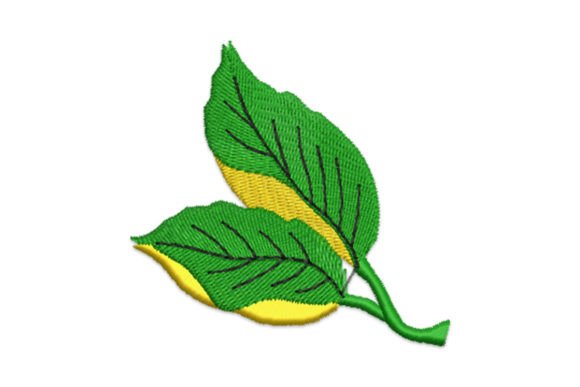
This week, I put Leaf, a design from the Forest Trees category, through its paces. The product description promises a creative leaf embroidery that adds a cozy and artistic feel to any fabric. While that sounds appealing in theory, my job is to determine if that promise holds up in practice. Below is my honest assessment of how this machine embroidery design performs when applied to real-world projects, from custom apparel to boutique home decor.
First Impressions and Visual Personality
The moment you open the file, the intent of the design is clear. This is not an intricate, high-detail botanical illustration meant for a micro-hoop showcase. Instead, Leaf feels grounded, organic, and approachable. It carries a rustic charm that aligns perfectly with the current trend toward natural aesthetics in handmade goods. The shape suggests movement, as if caught in a gentle breeze, which gives the final product a dynamic quality even though it is static.
Visually, the design strikes a balance between simplicity and character. It avoids being overly generic while remaining versatile enough to fit into various brand identities. Whether you are running a minimalist Etsy shop or a bohemian craft business, this embroidery file can serve as a focal point or a complementary accent. The mood it creates is undeniably cozy, making it an excellent candidate for autumn-themed collections, nursery decor, or everyday wearables that aim for comfort over high fashion.
Real-World Application: Where Leaf Shines
In my testing, I found that Leaf transitions beautifully from screen to fabric. Its structure allows it to work effectively across a wide range of mediums. Here is where I see the highest potential for success:
- Custom Apparel and Sweatshirts: When stitched onto heavyweight cotton or fleece, the design gains substance. I tested a version on a crewneck sweatshirt, and the leaf motif provided a perfect centered chest graphic. It is subtle enough for daily wear but distinct enough to stand out in social media photos, which is crucial for any Etsy seller or small business owner trying to capture attention.
- Tote Bag Designs: Canvas is a forgiving fabric, and Leaf takes well to its texture. Placed on the front panel of a tote bag, it looks professional and polished. This is a staple item for craft fairs, and having a reliable design like this ensures your merchandise looks consistent and high-quality.
- Baby Embroidery and Nursery Decor: The soft, organic nature of the leaf makes it ideal for baby clothes, blankets, and nursery wall art. Parents often look for designs that feel safe, natural, and calming. This handmade product angle is strong, as the design evokes a sense of warmth and care.
- Home Decor and Kitchen Towels: For those selling digital embroidery file bundles or finished goods, this design works wonderfully on tea towels and pillow covers. It adds a touch of artistic flair without overwhelming the utility of the item. It fits seamlessly into a kitchen aesthetic that values earthy tones and natural elements.
- Embroidered Patches: If you plan to use this as a base for a patch, the clean lines of the leaf provide a sturdy foundation. It allows for easy application to denim jackets, caps, or backpacks, serving as a great entry-level project for beginners or a quick add-on for experienced embroiderers.
Strategic Considerations and Limitations
No design is perfect for every scenario, and transparency is key to maintaining customer trust. There are specific situations where Leaf requires careful handling or might not be the best choice.
First, consider the scale. Because the design relies on recognizable shapes rather than dense textural detail, it may lose definition if scaled down too small. Attempting to stitch this in a very tiny hoop size could result in muddy details, especially if the stitch density is high. Always test the design at your intended production size before committing to bulk orders.
Fabric selection is equally critical. While canvas and cotton blends are forgiving, delicate or stretchy fabrics require extra caution. On thin materials, the pull of the stitches might cause puckering unless a proper stabilizer is used. Similarly, on highly textured fabrics like chunky knits, the fine details of the leaf might get lost. In these cases, the visual impact diminishes, and the finished product may look less professional.
Color contrast also plays a significant role. The description mentions adding a cozy feel, which often implies lighter or mid-tone thread colors. On dark fabrics, you will need to ensure there is sufficient contrast, potentially using a cut-away stabilizer or a backing layer to prevent show-through. Testing in black and white mockups can help you visualize how the design’s value structure holds up against different background colors.
Practical Designer Notes for Production
Before incorporating Leaf into your commercial inventory or personal gifts, I recommend following these practical steps to ensure a flawless outcome:
- Test on Scrap Fabric: Never assume a design will stitch perfectly on your final material. Run a test stitch-out on the exact fabric you plan to use. This helps you identify any tension issues or stabilizer needs early.
- Review Stitch Density: Check the internal structure of the design. High-density areas can lead to needle breakage or fabric distortion if not managed correctly. Ensure your machine settings match the recommended parameters.
- Confirm Hoop Size: Verify that the bounding box of the design fits comfortably within your available hoop sizes. A design that is too large for your equipment will limit your product options significantly.
- Inspect Small Details: Zoom in on the digital file to inspect corners and intersections. Are they clean? Do they require trimming? Addressing these details digitally saves time during production.
- Check Licensing: If you intend to sell finished items made with this design, review the license terms carefully. Some commercial embroidery licenses differ from personal use agreements. Clarify whether you can sell physical products or if restrictions apply to digital resale.
Final Verdict
Leaf is a solid, versatile addition to any embroidery library. It excels in creating a warm, artistic atmosphere that resonates with modern consumers who value handmade authenticity. Its adaptability across apparel, home decor, and accessories makes it a valuable asset for creative entrepreneurs looking to diversify their offerings.
While it may not be suitable for extremely small or high-stress applications, its strengths lie in its clarity and charm. By paying attention to fabric choice, stabilizer support, and color contrast, you can leverage this machine embroidery design to create products that not only look beautiful but also build long-term customer loyalty. For those seeking a reliable, aesthetically pleasing design that enhances the perceived value of their craft business, Leaf delivers on its promise of cozy, artistic appeal.